How Early Education Builds the Foundation for Lifelong Learning
Introduction
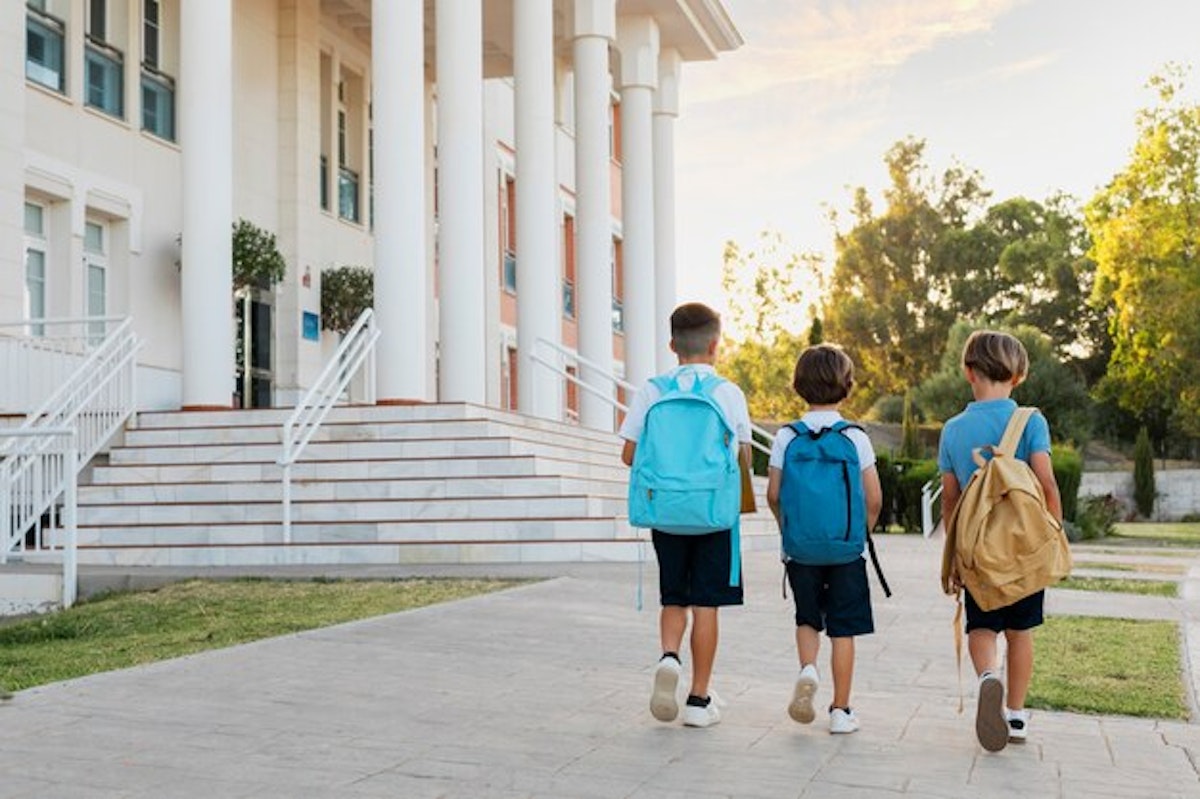
The earliest years of a child’s life are filled with discovery, imagination, and curiosity. These formative experiences play a crucial role in shaping how a child perceives the world and interacts with it. Early education lays the foundation for future learning, helping children develop essential skills that extend far beyond the classroom. Through guided play, exploration, and nurturing relationships, children learn to communicate, express themselves, and build confidence. The right start ensures that they enter formal schooling with the enthusiasm and readiness to continue learning throughout their lives.
The Importance of Early Learning Environments
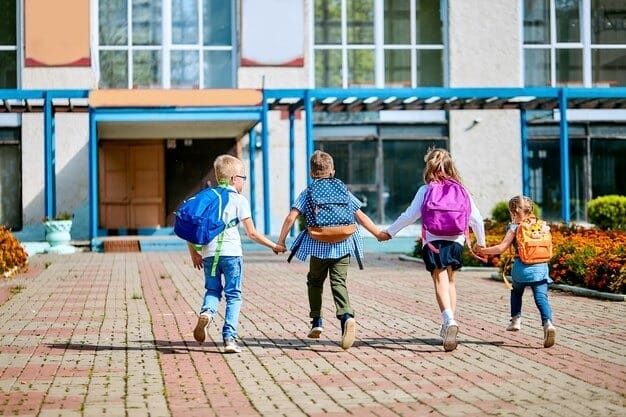
A nurturing early learning environment helps children build emotional security, independence, and curiosity. In a pre-primary school in Bangalore, educators design activities that balance structure and freedom, allowing children to explore while being gently guided. These schools recognize that every child learns at a different pace, and lessons are created to encourage both individual and group learning. When children are introduced to a setting that values their unique potential, they begin to develop a positive attitude toward education, an attitude that often lasts a lifetime.
Building the Basics Through Exploration
At an early age, children absorb information through hands-on experiences rather than abstract explanations. This is why the environment in a pre-primary school in Bangalore emphasizes sensory play, storytelling, and collaborative activities. By engaging in these dynamic learning methods, children grasp basic literacy and numeracy concepts naturally. Educators use play-based teaching to spark curiosity and enhance understanding. This approach allows children to see learning as a joyful experience rather than a task, forming the groundwork for more advanced academic skills later in life.
Encouraging Social and Emotional Growth
Early education is not just about academic readiness; it’s equally about emotional intelligence. When children interact with peers, they learn cooperation, empathy, and patience. Teachers guide them to resolve conflicts, express feelings, and respect differences. These lessons build resilience and self-control, essential traits for lifelong success. By fostering a sense of belonging and security, early education ensures that children grow into confident learners who can navigate both personal and academic challenges with balance and grace.
Developing Cognitive and Communication Skills
Children’s brains develop rapidly in the first five years of life, making this the ideal time to nurture cognitive and language abilities. A pre-primary school in Bangalore often integrates games, music, and stories to enhance vocabulary and comprehension. Children are encouraged to ask questions, describe experiences, and share ideas, building their ability to think critically and express themselves effectively. Early stimulation through such activities strengthens memory, focus, and problem-solving skills, laying the intellectual foundation for future education.
The Role of Teachers in Early Learning
Teachers play a transformative role in shaping a child’s learning journey. They act not only as educators but also as mentors, observers, and caregivers. Their understanding of each child’s developmental stage allows them to design personalized activities that support growth. The warmth and encouragement teachers provide build trust and motivation in children. When educators integrate practical learning methods, they make learning meaningful and relatable, helping children connect abstract concepts with real-world experiences. This bridge between play and knowledge becomes a powerful driver of long-term curiosity and confidence.
Fostering Creativity and Imagination
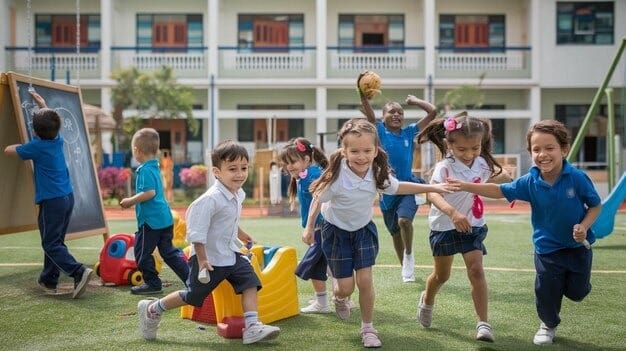
Imagination is at the heart of every child’s learning process. Early education gives children the freedom to express ideas through art, music, movement, and storytelling. These activities enhance creative thinking, problem-solving, and self-expression. A child who is encouraged to imagine and explore grows into an adult who can innovate and adapt. Creativity in early years also helps build emotional depth, as children learn to process feelings and situations through play and artistic expression. This holistic approach ensures that learning is not limited to academics but becomes a lifelong passion.
Building Strong Parent-School Partnerships
Parents are a child’s first teachers, and their involvement in early education strengthens learning outcomes. Schools that maintain open communication with families foster consistency between home and classroom environments. When parents participate in activities, discussions, and progress reviews, they gain insight into their child’s development. This collaboration reinforces lessons learned at school and helps children feel supported. Together, parents and educators create a nurturing ecosystem where curiosity is celebrated and growth is encouraged at every stage.
Preparing Children for the Next Stage of Learning
Early education is the bridge between home learning and formal schooling. It introduces children to routines, discipline, and structured learning while maintaining a sense of playfulness. Through interactive lessons and exploration, children learn to follow instructions, manage time, and adapt to classroom settings. These foundational habits prepare them for the academic demands ahead without causing stress or pressure. By the time children move to higher grades, they possess the confidence, focus, and social awareness needed to succeed both in school and beyond.
The Lifelong Impact of Early Education
The skills and values gained during early childhood extend into every stage of life. From problem-solving and teamwork to empathy and perseverance, the lessons learned at a young age shape a child’s future choices and achievements. Quality early education doesn’t just prepare students for academics; it builds the mindset for continuous growth. It cultivates adaptability and curiosity, ensuring that learning remains a joyful, ongoing process. When the foundation is strong, every step forward becomes an opportunity to learn, explore, and evolve.
Conclusion
The earliest lessons a child learns go far beyond reading and counting; they shape personality, confidence, and a lifelong passion for learning. When early education focuses on nurturing curiosity and self-expression, it helps children develop into independent, thoughtful individuals. Schools that provide stimulating, supportive, and balanced experiences ensure that every child’s journey begins with strength and positivity. Investing in early education is investing in the future, where every young learner carries the tools and mindset to keep learning, growing, and thriving throughout life.